
Table of Contents
- Why Chafing Hits Hard on Long Runs
- How to Prevent Thigh Chafing When Running
- Running Clothes to Prevent Chafing
- Best Anti-Chafing Products for Runners
- How to Treat Chafing After Running
- What to Do If Chafing Starts Mid-Run
- Conclusion
- Frequently Asked Questions
Last Updated: October 15, 2026
Why Chafing Hits Hard on Long Runs
Chafing is skin damage caused by repeated friction, and it gets worse the longer you run.
Here is the part most guides miss: chafing is not a sign of weakness. It is a math problem. Every stride rubs fabric against skin or skin against skin. Ten thousand strides means ten thousand small chances to wear through your skin's top layer.
Three things make long runs worse than short ones:
- Time. Friction builds damage with every minute you keep moving.
- Sweat. Wet skin softens and tears more easily than dry skin.
- Salt. Dried sweat leaves tiny crystals that act like sandpaper.
Add heat and humidity, and the damage speeds up even more. The American Academy of Dermatology's guidance on friction and skin irritation explains how moisture and rubbing combine to break down the skin barrier.
How to Prevent Thigh Chafing When Running
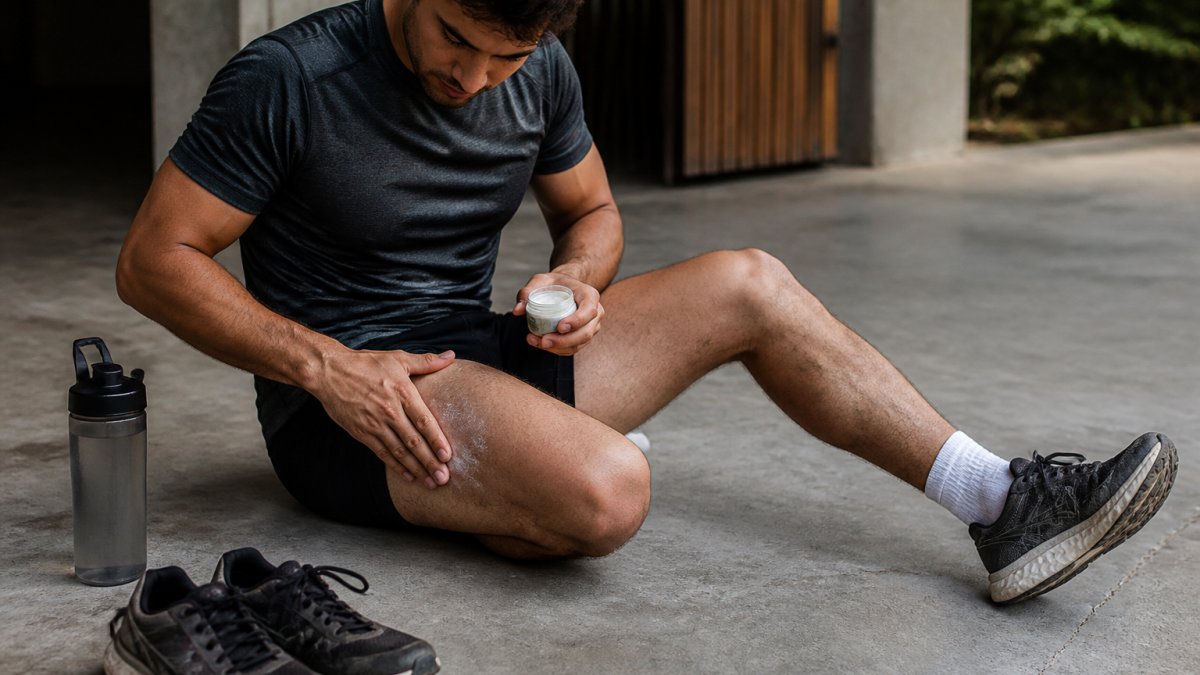
The best way to prevent thigh chafing when running is to remove the friction before it starts. You have three levers: what you wear, what you apply, and how you adjust your stride.
Start with clothing that covers the skin. Loose shorts let your thighs rub together directly. Compression shorts or longer tights create a barrier.
Next, apply a lubricant or balm to every spot that touches something else. Do not wait for a problem. Treat it like sunscreen: apply before you leave.
A common mistake is only greasing the inner thighs. Your armpits, nipples, waistband line, and bra line all rub too.
- Inner thighs
- Underarms
- Nipples
- Waistband and sports bra edges
- Anywhere a seam sits
For runners who sweat heavily, reapply at aid stations on very long efforts. A small stick or packet in your pocket weighs almost nothing.
If you are coming from cotton, expect a real difference. Cotton holds sweat against your skin, which is exactly what you do not want.
Running Clothes to Prevent Chafing
The right running clothes prevent chafing by pulling sweat away from your skin and cutting down on seams. Fabric choice matters more than brand name.
Look for synthetic or merino blends that wick moisture. Flatlock seams sit flatter against the body and rub less. Tagless necklines remove one more rough edge.
Fit matters as much as fabric. Clothes that are too loose shift and rub. Clothes that are too tight dig in and chafe at the edges.
| Clothing Factor | What to Avoid | What to Choose |
|---|---|---|
| Fabric | Cotton, heavy blends | Moisture-wicking synthetics, merino |
| Seams | Raised, bulky seams | Flatlock, seamless construction |
| Fit | Too loose or too tight | Snug but not restrictive |
| Tags | Rough neck tags | Tagless labels |
| Coverage | Short shorts, exposed skin | Longer shorts, tights |
This is where gear built for hard efforts earns its place. The mindset is simple: embrace the chaos, but do not let your clothing add to it.
Best Anti-Chafing Products for Runners
The best anti-chafing products for runners fall into four groups: balms, sticks, powders, and patches. Each works differently, so pick based on distance, sweat level, and where you chafe.
Balms are thick and long-lasting. They work well for thighs and underarms on long runs.
Sticks are easy to apply and mess-free. Good for quick touch-ups.
Powders reduce moisture and friction. Best for shorter runs or dry conditions.
Patches and tapes cover high-risk spots like nipples. Many runners use them for marathons.
The Cleveland Clinic's overview of skin irritation and friction injuries notes that keeping skin dry and protected is the core of prevention.
A common mistake is buying one product and using it everywhere. Balm on your nipples can stain shirts. Powder on your thighs wears off fast in heavy sweat.
Match the product to the spot:
- Thighs: balm or stick
- Nipples: patches or tape
- Feet: powder or blister patches
- Underarms: balm or powder
How to Treat Chafing After Running
Treat chafing after running by cleaning the area, then protecting it while it heals. Do not scrub. Do not use harsh soaps or alcohol.
Rinse with cool water and pat dry. Apply a gentle ointment or petroleum jelly to keep the skin moist and protected. A fragrance-free barrier cream helps.
Avoid tight clothing over the raw spot for a day or two. Let air reach it when you can.
Signs you should see a doctor: spreading redness, swelling, pus, or fever. Chafed skin can get infected, especially in warm, moist areas.
- Clean gently with cool water
- Pat dry, never rub
- Apply a protective ointment
- Skip tight clothing over the area
- Watch for infection signs
Most mild chafing calms down within a few days with basic care. If it keeps coming back in the same spot, the fix is in your gear or your routine, not your skin.
What to Do If Chafing Starts Mid-Run
If chafing starts mid-run, stop and treat it right away. Running through raw skin makes it worse and can end your training for a week.
Here is a quick plan:
- Stop at the next safe spot.
- Clean the area with water if you can.
- Apply balm or a patch from your pocket kit.
- Adjust clothing so the seam moves off the hot spot.
- Shorten your route if the pain is sharp.
Carry a small kit on every long run. A stick of balm and a couple of patches weigh almost nothing and can save a session.
The mental side matters here too. Long runs test your grit, and small problems become big ones if you let them.
Conclusion
Chafing does not have to end your long runs. The fix is simple: cover the skin, cut the friction, and carry a small kit for mid-run problems. At Krush Khaos, we build apparel for athletes who refuse to be stopped by discomfort, with gear designed to move with you through every hard mile. Shop now and wear your dedication with gear built for those who turn doubt into fuel.
Frequently Asked Questions
How do you prevent chafing on long-distance runs?
Prevention starts with moisture-wicking, seam-free clothing that fits without being loose. Apply a lubricant like petroleum jelly or an anti-chafing balm to high-friction areas before you run. Keep skin dry by choosing technical fabrics over cotton, and reapply product on runs longer than 90 minutes. If you feel rubbing start, address it immediately rather than pushing through.
Where do runners commonly chafe?
The most common spots are the inner thighs, nipples, underarms, groin, and where a sports bra or waistband meets the skin. Feet and toes can also chafe inside socks. Pay attention to any place where fabric seams, tags, or skin-to-skin contact creates repeated friction during your stride.
Do compression shorts help prevent chafing while running?
Yes. Compression shorts hold the thighs close so they don't rub together and eliminate loose fabric that bunches and chafes. Look for flatlock seams, a snug but not restrictive fit, and moisture-wicking material. Many runners find that a quality pair of compression shorts solves thigh chafing better than any topical product alone.
How do I treat chafed skin after running?
Clean the area gently with cool water and a mild cleanser, then pat dry. Apply a soothing ointment like petroleum jelly or an antibiotic cream if the skin is broken. Avoid alcohol-based products that sting. Let the skin breathe and skip tight clothing until it heals. If you see signs of infection such as pus, spreading redness, or fever, see a doctor.