
Table of Contents
- How to Choose Workout Clothes That Actually Fit Your Body
- Identifying Your Body Shape and Proportions
- Workout Clothes for Athletic Body Types
- Workout Clothes for Curvy Body Types
- Most Flattering Workout Clothes: Silhouettes That Work
- Fabric, Stretch, and Sweat Management
- Fit Testing During Actual Movement
- Climate, Care, and Making Gear Last
- Frequently Asked Questions
Last Updated: October 9, 2026
How to Choose Workout Clothes That Actually Fit Your Body
The best workout apparel for body type comes down to two things: accurate measurements and a movement test.
At Krush Khaos, we build gear for athletes and underdogs who train hard and refuse to be defined by setbacks.
Below, we'll show you exactly how to measure, test, and choose workout apparel that moves with you, not against you.
The first rule is simple: ignore the number on the tag.
Start with Your Measurements, Not the Size Tag
Size tags vary wildly between brands. A medium in one line can fit like a small in another. That's why measurements beat labels every time.
Grab a soft tape measure and note four numbers:
- Bust or chest: around the fullest point
- Waist: at the narrowest point, usually above the belly button
- Hips: around the fullest part of your seat
Write these down. Keep them in your phone. You'll use them for every purchase.
Then match your numbers to each brand's size chart, not your usual size. This one habit prevents most returns.
The Movement Test: Try This Before You Buy
A mirror check tells you how clothes look standing still. It says nothing about how they perform.
Before you commit, do this:
- Raise both arms overhead. Does the top ride up past your waist?
- Do a deep squat. Do the leggings stay opaque?
- Twist side to side. Does the waistband roll or dig in?
If a garment fails any of these, size up or try a different cut. Fit issues rarely fix themselves after washing.
Identifying Your Body Shape and Proportions
Body shape labels are a starting point, not a rulebook. The outline your shoulders, waist, and hips create together tells you which cuts tend to sit cleanly, but two people with the same shape label can need completely different sizes and rises. Use shape as a filter, then let measurements and proportions make the final call.
Most people fall into a few broad categories:
| Shape | Key Trait | What to Look For |
|---|---|---|
| Athletic | Shoulders and hips similar width | Stretch fabrics, racerback tops, straight-cut leggings |
| Curvy | Defined waist, fuller hips | High-waist leggings, encapsulation bras, contoured waistbands |
| Pear | Hips wider than shoulders | Boot-cut or flared leggings, darker bottoms, structured tops |
| Rectangle | Waist close to hip width | Drawstring waists, layered tops, side-panel details |
| Apple | Fuller midsection, narrower hips | High-rise compression leggings, longer tops, V-necks |
Why Proportions Beat Shape Labels
Shape tells you the outline. Proportions tell you where a garment will actually land on your frame. Three measurements do most of the work:
- Torso length: Measure from the top of your shoulder to your natural waist. A long torso (roughly 16 inches or more) often needs a taller rise, 11 to 12 inches, so the waistband sits at the natural waist instead of sliding down. A short torso can get swallowed by the same rise.
- Inseam: Measure from crotch to ankle bone. Petite frames commonly land around a 25- to 27-inch inseam, average around 28 to 30, and tall frames 31 inches and up. A 7/8 legging on one person is a full-length tight on another.
- Rise preference: High-rise (10 inches and up) covers the navel and holds the core. Mid-rise (8 to 9 inches) sits below it. Low-rise (7 inches or less) works for some but rolls on most during squats.
Inclusive Fit Across Sizes and Heights
Fit advice that only works for one body size is not fit advice. A few patterns hold across the size range:
- Petite frames: Look for brands that publish a petite-specific inseam and a shorter rise. Cropped tops and 7/8 leggings often hit full-length on a petite frame, which is a feature, not a flaw.
- Tall frames: Seek out tall inseams (31 inches and up) and longer torso lengths in tops. A standard crop top on a tall frame can read as a bra top.
- Plus sizes: Grading matters more than the size number. A well-graded plus legging adds width through the hip and thigh without adding proportional length to the rise, so the waistband does not gap at the back. Look for brands that publish hip and thigh measurements, not just waist.
Measure once, write the numbers down, and shop with your proportions in mind. The size tag is the least useful piece of information on the garment.
Workout Clothes for Athletic Body Types
Athletic builds often mean broader shoulders and muscular legs. The goal here is stretch and freedom, not compression that fights your frame.
Look for fabrics with four-way stretch. They move in every direction, which matters for lifting, running, and gym workouts.
Best Tops and Sports Bras for Broad Shoulders
Racerback sports bras free up your shoulder blades. That means a fuller range of motion for overhead presses and pull-ups.
Avoid tight crew necks. They pull across the chest and restrict arm movement.
For workout tops, pick relaxed fits with stretchy side panels. They sit clean without clinging.
Shorts and Leggings for Muscular Legs
Thick thighs need fabric that won't ride up. Biker shorts with a longer inseam stay put during squats and lunges.
For leggings, choose a high spandex blend. It stretches over quads without going sheer. Check opacity in bright light before you buy.
Workout Clothes for Curvy Body Types
Curvy shapes usually have a defined waist and fuller hips. The right workout clothes for curvy body types support curves without squeezing them.
Support starts at the waistband. A wide, high-rise band stays in place and smooths the midsection.
High-Waist Leggings and Waistband Support
High-waist leggings sit above the hip bone. They stay up during running and high-impact training.
Look for a contoured waistband that dips at the back. It follows your shape instead of cutting into it.
Compression is a personal choice. Light compression offers hold. Firm compression can feel restrictive if you're new to it.
Sports Bras and Tops for Fuller Busts
Support level matters most here. For high-impact workouts, choose a bra with encapsulation cups, not just compression.
Encapsulation supports each breast separately. That reduces bounce far better than a simple pullover style.
Check the band first. Most of the support comes from a snug band, not the straps.
For tops, V-necks and scoop necks flatter a fuller bust. They draw the eye up and balance your silhouette.
Most Flattering Workout Clothes: Silhouettes That Work
The most flattering workout clothes follow your natural lines instead of hiding them. Fit beats fashion every time, and fit is something you can test rather than guess.
A few silhouettes work across most body types:
- High-waist leggings: lengthen the leg and hold the core
- Racerback tops: open the shoulders and slim the upper back
- Cropped tanks: pair well with high-rise bottoms
Color blocking helps too. Dark panels on the sides create a slimmer look. Bright tops draw attention upward.
But here is what most guides miss: flattering means comfortable first. If you are tugging at a hem mid-workout, the silhouette is not working, no matter how it looks in the mirror.
Fit Tests That Prove a Silhouette Works
Run these checks in the fitting room or the first time you wear a piece at home. Each one targets a specific failure mode:
- Opacity check: Squat deeply in front of a bright window or under strong overhead light. If you can see your hand through the fabric, the leggings will go sheer under gym lighting. Look for a fabric weight around 250 to 300 GSM (grams per square meter) for squat-proof coverage.
- Waistband roll test: Twist side to side and bend forward. A contoured waistband that dips at the back stays put. A straight band with a thin elastic rolls on most bodies during squats and deadlifts.
- Ride-up test: Jog in place for 30 seconds. Biker shorts with a 6- to 8-inch inseam resist ride-up better than 3- to 4-inch shorts on thicker thighs. If the hem creeps, the leg opening is too wide or the fabric lacks grip.
Support and Compression by Activity
Compression is not one setting. Match it to what you are doing:
- Low intensity (yoga, mobility, walking): Light compression or none. You want freedom of movement and breathability.
- Moderate intensity (lifting, cycling, rowing): Medium compression through the waist and thigh helps proprioception and reduces muscle oscillation.
- High intensity (running, HIIT, court sports): Firm compression in leggings and high support in bras. Bounce and shift are the enemies here.
If you are new to compression, start light. Firm compression that feels restrictive on day one rarely gets more comfortable with wear.
Fabric, Stretch, and Sweat Management
Fabric decides how gear feels, performs, and lasts. Get this right and everything else gets easier.
Here's what to look for:
- Moisture-wicking: pulls sweat away from skin
- Breathable: lets heat escape so you stay cool
- Four-way stretch: moves in all directions
Fabric weight matters by season. Lightweight knits suit summer runs. Heavier knits work for winter training and recovery days.
Avoid all-cotton for intense sweat. It soaks up moisture and stays wet, which leads to chafing.
Prioritize moisture-wicking, four-way stretch fabric. It keeps you dry, moves with you, and holds its shape through repeated washes.
Fit Testing During Actual Movement
A fitting room can't tell you how gear performs. Only movement can.
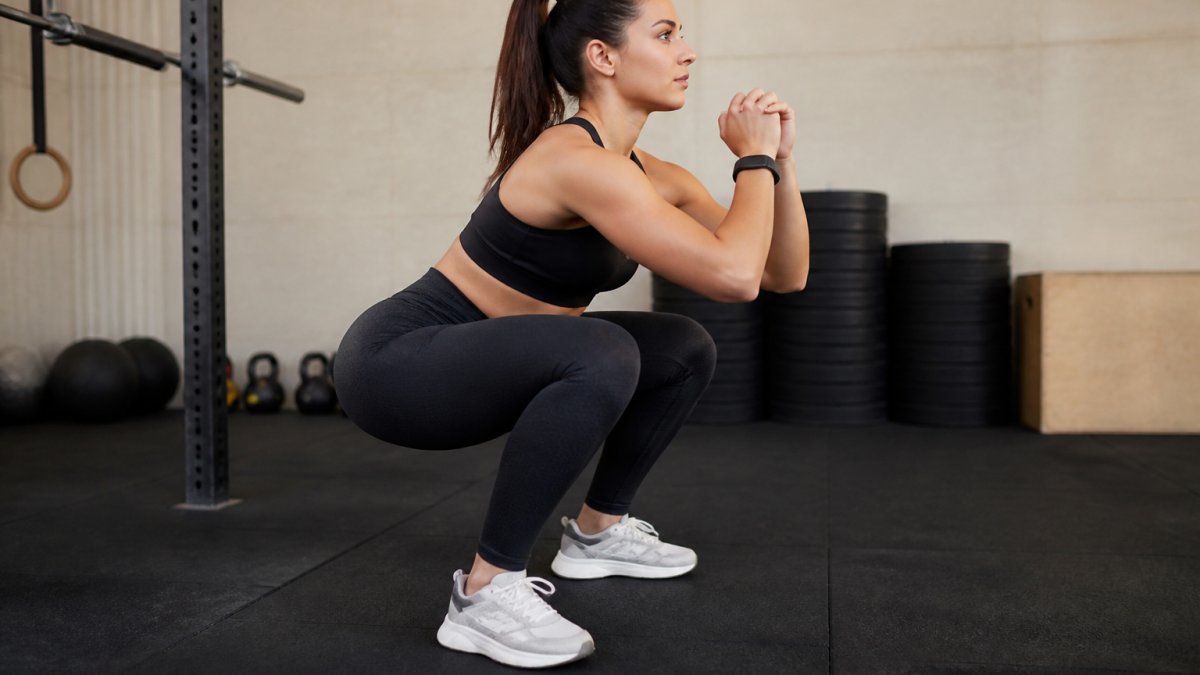
So test every piece the way you'll actually train. If you run, jog in place. If you lift, squat and press.
Watch for three things:
- Riding up: fabric that creeps toward your waist
- Rolling: waistbands that fold over mid-move
- Chafing: seams that rub when you sweat
Any of these means the fit is wrong. Try a different size or cut before you give up on the style.
This is also where cheap gear shows its limits.
Climate, Care, and Making Gear Last
Where you train shapes what you wear. Hot, humid climates call for lightweight, breathable fabrics. Cold weather training suits heavier knits and layered tops.
Sweat management changes with the season too. In summer, moisture-wicking fabric is non-negotiable. In winter, you want insulation that still breathes.
Care keeps gear alive longer. A few habits make a real difference:
- Wash in cold water to protect stretch fibers
- Skip the dryer; air dry to prevent shrinkage
- Turn leggings inside out to reduce pilling
Good care extends the life of any fabric. It also keeps compression and stretch working the way they should.
At Krush Khaos, we design apparel for athletes, dreamers, and underdogs who refuse to be defined by pressure. Our gear reflects a mindset, not just a look. If you're building your own legacy, we build for you.
Frequently Asked Questions
What kind of workout clothes look best on athletic body types?
Athletic body types with broad shoulders and muscular legs look best in racerback tanks and v-neck tops that balance shoulder width. For the lower body, choose mid-rise or high-waist leggings with four-way stretch that accommodate quad and glute muscle without pulling. Biker shorts with a 5-7 inch inseam prevent chafing during high-impact training. Look for fabrics with spandex and polyester blends that move with you rather than restricting range of motion.
How should workout clothes fit for curvy body types?
For curvy body types, focus on waistband security and bust support. High-waist leggings with a wide, flat waistband stay in place during squats and running without rolling down. Sports bras should be sized by band and cup, not just S/M/L, with encapsulation styles for high-impact workouts. Tops with adjustable straps and a relaxed fit through the midsection prevent riding up. The fabric should have enough compression to support without digging in.
What fabrics are best for workout apparel?
The best workout apparel uses moisture-wicking fabrics like polyester and nylon blended with spandex or elastane for stretch. Four-way stretch allows fabric to move in all directions, which matters for yoga, lifting, and running. Breathable mesh panels help with sweat management in high-impact training. Avoid 100% cotton for intense workouts because it holds moisture and causes chafing. Fabric weight also matters: lighter weights suit hot climates, while heavier compression fabrics work for recovery and low-impact training.
How do I know if workout clothes will stay in place during movement?
Do a movement test before buying or before removing tags. Squat deeply, raise your arms overhead, and do a few jumping jacks. Check that the waistband does not roll down, the leggings are not see-through when you bend, and the sports bra band stays level. For online orders, read reviews from people with similar proportions and check the brand's return policy. Krush Khaos gear is built for high-intensity training.
Choosing workout apparel that fits your body type takes a little measuring and one honest movement test. Most people skip both, then blame their body when the gear fails. It was never your body. It was the fit.
At Krush Khaos, we make apparel for athletes and underdogs who embrace the chaos and outwork the competition. Our gear is built around a mindset: show up, train hard, and refuse to be defined by setbacks. Shop now and wear your dedication.