
Table of Contents
- Why Buying Moisture Wicking Athletic Shirts Online Beats Guessing in a Store
- How Moisture-Wicking Fabric Works (and Why It Matters Mid-Workout)
- Moisture-Wicking Fabric Types: Which One Fits Your Training
- What Separates the Best Moisture-Wicking Shirts From the Rest
- Fit, Sizing, and Return Policies: What to Check Before You Click Buy
- Quality Checks and Red Flags When You Buy Moisture Wicking Athletic Shirts Online
- Conclusion
- Frequently Asked Questions
Last Updated: October 18, 2026
Why Buying Moisture Wicking Athletic Shirts Online Beats Guessing in a Store
Buying moisture wicking athletic shirts online gives you access to fabric specs, sizing charts, and real return terms that a crowded store aisle never shows you. At Krush Khaos, we build gear for athletes who train hard and refuse to be defined by setbacks.
Here is the truth most retail floors hide: a shirt that feels soft on the hanger can turn into a wet sponge under load. Online, you can compare fabric weight, knit structure, and seam placement before you spend a dollar. That is a real advantage, not a compromise.
Below, we break down exactly how to buy moisture wicking athletic shirts online without getting burned by bad sizing, weak fabric, or return policies designed to trap you.
How Moisture-Wicking Fabric Works (and Why It Matters Mid-Workout)
Moisture-wicking fabric is a textile engineered to pull sweat away from your skin and spread it across the surface of the shirt, where it evaporates faster. The mechanism is capillary action: thin fibers move liquid along their length instead of letting it pool against your body.
Why does that matter at rep fifteen? Because soaked cotton clings, chafes, and holds heat. A wicking knit keeps air moving and lets your body regulate temperature. According to the U.S. Federal Trade Commission's textile labeling guidance, manufacturers must accurately disclose fiber content, which is exactly why reading the label online beats eyeballing a shirt in person.
The practical takeaway: wicking is a fabric property, not a marketing badge. If a product page cannot tell you the fiber blend and knit type, keep scrolling.
Moisture-Wicking Fabric Types: Which One Fits Your Training
Choosing among moisture-wicking fabric types comes down to three families, and each suits a different kind of training.
- Polyester knits: The workhorse. Lightweight, cheap to produce, dries quickly, and holds color well. Best for high-sweat gym sessions and everyday training.
- Nylon blends: Denser and more durable, with a smoother hand feel. Better for athletes who punish their gear with heavy volume or abrasive movements.
- Wool blends: Naturally odor-resistant and temperature-regulating. Ideal for variable conditions and long sessions, though they cost more and need gentler care.
A common mistake is assuming the most expensive fabric wins. In practice, a well-constructed polyester knit outperforms a poorly built premium blend every time. Match the fabric to your training style, not to the price tag.
| Fabric Type | Dries Fast | Odor Resistance | Durability | Best For |
|---|---|---|---|---|
| Polyester knit | High | Moderate | Good | High-sweat gym work |
| Nylon blend | High | Moderate | High | Heavy volume training |
| Wool blend | Moderate | High | Good | Long, variable sessions |
What Separates the Best Moisture-Wicking Shirts From the Rest
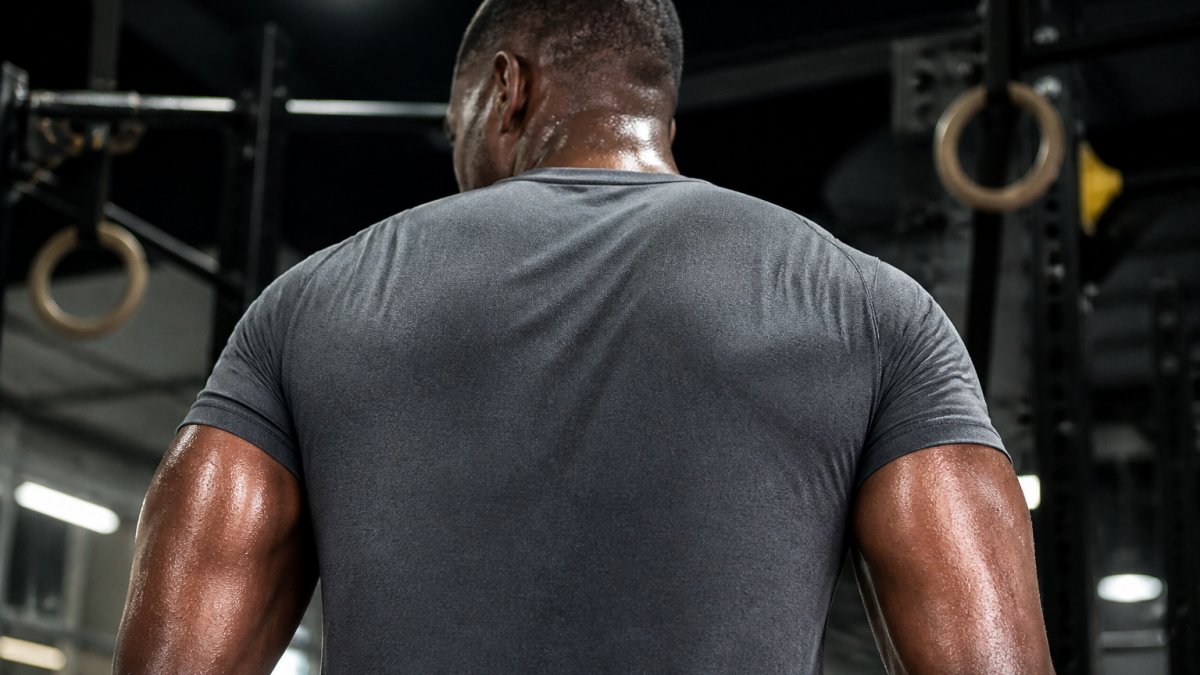
The best moisture-wicking shirts share four traits: flatlock seams that skip the chafe, a knit that stretches without going slack, gusseted underarms for full range of motion, and a cut that stays put when you move. Everything else is decoration.
What most guides miss is seam construction. A shirt can have perfect fabric and still shred your shoulders because the seams sit proud and rub. Flatlock stitching lies flat against the skin. Look for that term on the product page, and treat its absence as a warning.
Fit and construction decide whether a shirt survives a season of training. Fabric gets the headlines; seams and cut do the actual work.
Fit, Sizing, and Return Policies: What to Check Before You Click Buy
Sizing is where online buying lives or dies. Before you buy moisture wicking athletic shirts online, check three things: a published size chart with chest and length measurements, model height and size references, and a stated fit type (compression, athletic, or relaxed).
Return policy deserves equal scrutiny. Look for a clear window, a stated condition requirement (unworn with tags is standard), and whether return shipping is on you. A generous window with a restocking fee is worse than a short window with free returns.
- Size chart lists chest, waist, and length in inches
- Fit type is stated in plain language
- Return window is clearly stated
- Return shipping cost is disclosed
- Exchange process is described, not just refunds
Krush Khaos exists for the underdog who trains through setbacks. Order one size if you are between sizes and check the chart against a shirt you already own.
Quality Checks and Red Flags When You Buy Moisture Wicking Athletic Shirts Online
Red flags show up before checkout if you know where to look. Vague fabric descriptions, missing care instructions, stock photos with no model fit reference, and reviews that all land on the same day are the classics.
Here is the checklist we would use:
- Fiber content is specific. "100% polyester" beats "performance blend" every time.
- Care instructions are published. A shirt that needs special handling should say so upfront.
- Reviews mention durability. Filter for reviewers who have owned the shirt for months, not days.
- The brand explains its construction. Seams, gussets, and knit type should be named.
- Return terms are easy to find. Buried policies signal a brand that expects friction.
A shirt that cannot pass five checks is not worth your money, no matter how good the photos look. Quality holds up under repeated washing and hard training, and a brand confident in its gear will say so plainly.
Conclusion
The real challenge is not finding a moisture wicking shirt. It is finding one built to survive your training and backed by terms you can trust. Krush Khaos makes apparel for athletes and underdogs who turn doubt into fuel, with gear designed around a mindset of outworking the competition.
Get started with Krush Khaos and wear gear built for those who embrace the chaos. Shop now.
Frequently Asked Questions
What is a moisture-wicking athletic shirt?
A moisture-wicking athletic shirt is made from fabrics that pull sweat away from your skin to the surface, where it evaporates quickly. Unlike cotton, which holds moisture and feels heavy, these shirts use synthetic fibers or treated blends to keep you drier during high-intensity training. The result is better temperature regulation and less chafing when you push hard.
Which fabrics are best for moisture-wicking workout shirts?
Polyester and nylon are the top performers because they absorb very little water and dry fast. Look for blends with spandex for stretch, or merino wool if you want natural odor resistance. Avoid 100% cotton for intense workouts. The best moisture-wicking shirts often combine polyester with a small amount of elastane for mobility.
Are polyester or cotton shirts better for working out?
Polyester wins for sweaty sessions. It moves moisture to the surface and dries quickly, while cotton soaks up sweat like a sponge and stays wet, which can weigh you down and cause chafing. For low-intensity activity cotton is fine, but for training that leaves you drenched, polyester or a poly-blend is the smarter choice.
How should a moisture-wicking athletic shirt fit?
It should sit close to the body without restricting movement. A snug fit helps the fabric contact your skin and move sweat efficiently. Check the size chart and customer reviews for fit notes, especially if you're between sizes. If you prefer a looser feel, size up, but avoid excess fabric that can bunch during lifts or runs.