
Table of Contents
- What to Wear for High Intensity Intervals: Apparel That Keeps Up
- Best HIIT Shoes for Lateral Movement and Explosive Power
- Essential HIIT Home Gym Equipment for Every Budget
- HIIT Workout Duration and Intensity: How Gear Supports Your Training Cycle
- Tech and Wearable Integration: Heart Rate Monitoring and Interval Timers
- Recovery Gear and Space-Saving Solutions for Small Spaces
- How to Choose the Best Gear for High Intensity Intervals
- Frequently Asked Questions
Last Updated: September 11, 2026
What to Wear for High Intensity Intervals: Apparel That Keeps Up
The best gear for high intensity intervals starts with what touches your skin. HIIT pushes your heart rate toward its anaerobic threshold in bursts, so clothing has to manage sweat, heat, and movement at once (peer-reviewed research). This guide from Krush Khaos covers apparel, footwear, equipment, and recovery tools.
Most people obsess over shoes and ignore fabric. That's backwards: a moisture-holding shirt turns a 20-minute session into a slog, and binding seams end your set early. Fabric is the foundation of any serious HIIT wardrobe.
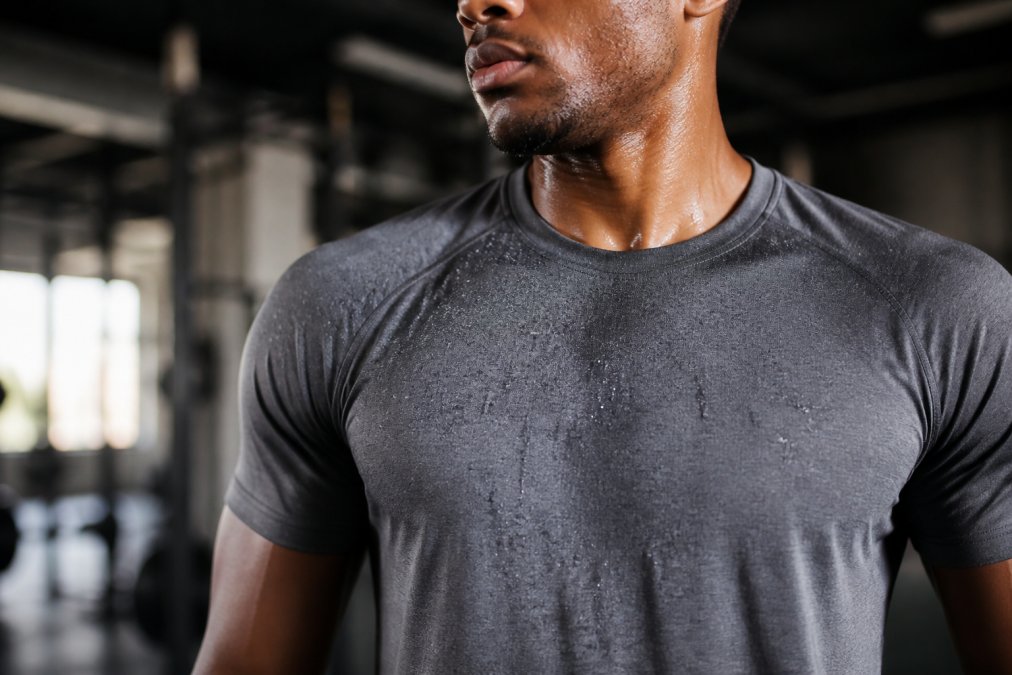
Fabric Technology: Moisture-Wicking, 4-Way Stretch, and Anti-Microbial Finishes
Moisture-wicking fabric is a synthetic blend engineered to pull sweat off your skin and spread it across the surface for fast drying. Polyester and nylon blends dominate, often with spandex for stretch. Look for 4-way stretch, which moves in every direction rather than just vertically.
Anti-microbial finishes matter more than most people realize. Interval training produces heavy sweat, and damp synthetic fabric in a gym bag breeds odor. A finish that inhibits bacterial growth keeps the garment usable between washes.
A common mistake is buying 100% cotton because it feels soft in the store. Cotton soaks up sweat, gets heavy, and clings. For intervals, stick with synthetic blends.
Fit and Range of Motion: Why Compression and Ergonomic Seams Matter
Compression wear supports muscles during explosive movement and reduces the bounce loose fabric creates during plyometrics. The right level improves proprioception, your sense of where your body is in space, which helps landing mechanics.
Ergonomic seams follow the body's natural lines rather than running straight across joints. Flatlock stitching sits flush against skin, avoiding the chafing standard seams cause during repeated floor contact.
Fit should be snug but not restrictive. If you can't reach full range of motion in an overhead squat or a deep lunge, the garment is fighting you.
Best HIIT Shoes for Lateral Movement and Explosive Power
The best HIIT shoes for lateral movement combine a stable, wide base with enough cushioning for impact absorption without sacrificing ground feel. Running shoes are wrong for intervals: their tall, soft stack makes lateral cuts unstable and raises ankle roll risk. A running shoe moves you forward in a straight line; a HIIT shoe keeps you planted while you change direction, land, and push.
Three features decide whether a shoe works for HIIT:
- Lateral support: A firm heel counter and reinforced sidewalls resist rolling during side shuffles and skater jumps. Press the heel counter with your thumb, if it flexes easily, it won't hold your ankle during a lateral bound.
- Stability: A wider platform and lower drop keep you grounded during kettlebell swings and box jumps. A 2-6 mm drop keeps you closer to the floor than the 8-12 mm typical of running shoes (PubMed).
- Impact absorption: Forefoot cushioning protects against repeated plyometric landings. Look for denser foam in the forefoot, not a soft midsole that bottoms out after a few rounds.
Match the Shoe to the Movement Pattern
No single shoe is best for every circuit. Pick based on the dominant movement in your training:
- Lateral and agility heavy (skater jumps, side shuffles, lateral lunges): prioritize a wide outsole and firm heel counter. A flatter, firmer shoe wins.
- Plyometric heavy (box jumps, broad jumps, burpee broad jumps): prioritize forefoot cushioning and a grippy outsole, enough foam to absorb landings without losing floor feel.
- Loaded conditioning (kettlebell swings, dumbbell thrusters, sled pushes): prioritize a stable, low-drop platform. A slight heel lift helps squat depth, but too much stack makes heavy swings wobbly.
- Mixed circuits: a cross-training shoe with a moderate drop and firm midsole is the usual compromise.
Outsole and Surface
Outsole rubber compound matters more than most buyers realize. A sticky rubber outsole grips gym flooring and rubber mats; a harder compound lasts longer on concrete or asphalt outdoors. Rotating between gym floor and pavement wears the outsole faster than a single-surface shoe.
Tread pattern also matters. A shallow, multidirectional tread handles lateral movement better than a deep, directional running tread, which can catch and twist during side shuffles.
When to Replace Them
HIIT shoes wear out faster than running shoes because lateral work and repeated landings stress the outsole edges and midsole foam. Watch for:
- The midsole feels flat or compressed under the forefoot.
- The outsole edges are worn smooth on the lateral side.
- The heel counter has softened and no longer holds your ankle.
- You feel more foot fatigue or soreness after the same workout.
Most people training intervals three or more times a week replace shoes more often than they expect. Rotating two pairs extends the life of both.
Try this test before buying: stand on one foot and lean hard to the side. If the shoe collapses inward, it won't survive a lateral-heavy circuit. Then do a few bodyweight squats, if your heel lifts or the shoe feels like it is fighting your foot, the drop or fit is wrong for you.
Essential HIIT Home Gym Equipment for Every Budget
Home gym equipment for HIIT splits into three tiers: budget (bodyweight and light resistance), mid-range (added load and durability), and pro (measurable output and heavier loading). You don't need all three, you need the tier that matches your space, budget, and training style.
Most guides stop at a product list. The more useful question is which tier you should buy into first, and what you give up at each level.
| Tier | Equipment | Typical Cost Range | Best For | Main Trade-off |
|---|---|---|---|---|
| Budget | Resistance bands, jump rope, sliders, ab mat | Low | Bodyweight circuits in small spaces | Limited load; you plateau on maximal strength |
| Mid-range | Adjustable dumbbells or a single adjustable kettlebell, pull-up bar, folding plyometric box | Mid | Progressive loading without a full rack | Adjustable gear is slower to change between weights |
| Pro | Fixed kettlebells, rowing ergometer, air bike, heavier plyo box | High | Measurable output and heavy conditioning | Space, cost, and noise |
Budget Tier: Resistance Bands, Jump Ropes, and Bodyweight Tools
Resistance bands deliver variable resistance that increases through the range of motion, ideal for functional training and joint-friendly conditioning. A jump rope builds calf endurance and coordination in short, brutal intervals, while sliders and an ab mat round out a kit that fits in a closet.
The limitation is load. You can build cardiovascular endurance and muscular endurance, but you will plateau on maximal strength without external weight. If your goal is fat loss and conditioning, the budget tier can carry you a long way. If your goal is strength, plan to move up.
Mid-Range Tier: Adjustable Load and Durable Basics
This is the tier most home athletes should target first. Adjustable dumbbells or a single adjustable kettlebell let you progress load without a rack of fixed weights, storing in a fraction of the space. A pull-up bar and folding plyometric box cover upper-body pulling and jump training.
The trade-off is speed. Adjusting a dumbbell between sets takes longer than grabbing a fixed pair, which matters in a timed circuit. If your intervals are tight, fixed weights are faster, but they cost more and take more room.
Pro Tier: Kettlebells, Plyometric Boxes, and Ergometers
Kettlebells enable ballistic movements like swings and cleans that train explosive power and grip endurance at once. Plyometric boxes add jump training for lower-body power and landing mechanics. Ergometers, including rowers and air bikes, give you measurable output for tracking progress across a training block.
The tradeoff is space and cost. A full pro setup needs a dedicated corner and a real budget. An air bike or rower also produces noise and vibration that travels through floors, which matters in shared buildings.
Small-Space and Apartment Solutions
If floor space is tight, prioritize equipment that stores vertically or folds flat:
- Resistance bands hang on a hook or coil into a drawer.
- Sliders stack under a couch.
- A folding plyometric box collapses against a wall.
- A single adjustable kettlebell replaces a rack of fixed weights.
- A jump rope with a mat underneath cuts noise and protects flooring.
If noise is a concern, skip box jumps for step-ups and choose a rower over a jump rope for low-impact conditioning. A thick rubber mat reduces both noise and floor damage.
How to Choose Your First Tier
Start with the tier that matches your training goal, not the one that looks best in a product photo:
- Conditioning and fat loss, small space, tight budget: budget tier.
- General strength and conditioning, some space, moderate budget: mid-range tier.
- Performance tracking, heavy conditioning, dedicated space: pro tier.
You can always add later. Buying the wrong tier first, usually an expensive machine before you have a training habit, is the most common mistake.
HIIT Workout Duration and Intensity: How Gear Supports Your Training Cycle
HIIT workout duration typically runs 10 to 30 minutes of work, structured as intervals that push you near your anaerobic threshold followed by short recovery periods (the CDC). Your gear has to support that rhythm, not just general exercise.
Breathability matters most during the work interval, when your body is trying to dump heat. Fast-drying fabric matters most during recovery, so you are not sitting in a soaked shirt before the next burst. Footwear with solid impact absorption protects you across repeated landings as fatigue accumulates and form degrades.
This is where cheap gear fails. A shirt that stays wet through recovery makes the next interval feel harder than it should.
Tech and Wearable Integration: Heart Rate Monitoring and Interval Timers
Heart rate monitoring and interval timers turn a good session into a measurable one. A chest strap or optical armband gives live heart rate so you can confirm you're in the target zone during work intervals and recovering adequately between them.
Interval timers remove the mental load of counting reps or watching a clock. Program your work and rest periods, then focus entirely on execution. Many athletes pair a wearable with a phone app, though a standalone gym timer works just as well and never needs charging mid-session.
The practical benefit is consistency. When every session is timed and measured the same way, you can tell whether a training block is working.
Recovery Gear and Space-Saving Solutions for Small Spaces
Recovery gear is the most overlooked category in HIIT setups. A foam roller, massage ball, and resistance band for mobility work cost little and address the tightness repeated intervals create in hips, calves, and shoulders.
For apartment training, prioritize equipment that stores vertically or folds flat. Resistance bands hang on a hook, sliders stack under a couch, and a folding plyometric box plus a single adjustable kettlebell cover more ground than a rack of fixed weights. If noise is a concern, use a jump rope with a mat underneath and swap box jumps for step-ups.
How to Choose the Best Gear for High Intensity Intervals
Choosing the best gear for high intensity intervals comes down to matching each item to how you actually train, not what looks good in a product photo. Start with apparel that manages sweat and moves with you, then layer in footwear, equipment, and recovery tools.
Use this checklist before you buy anything:
- Fabric is a synthetic blend with moisture-wicking and 4-way stretch
- Seams are flatlock or ergonomic, not standard stitched
- Shoes have lateral support and a stable, wide base
- Equipment matches your space and your training goals
- You have at least one recovery tool for mobility work
- Timer or heart rate monitor is part of your setup
For apparel specifically, Krush Khaos builds gear around the idea that the work is the point. The Turn Doubt Into Fuel Tee uses a moisture-wicking polyester knit with reinforced shoulder seams and UPF44+ protection, priced at $44.99. The Silent Work Hoodie and the Discipline Outworks Talent Hoodie, both $59.99, handle warm-up and cool-down with a cotton-poly blend built to resist pilling.


Krush Khaos runs a unisex cut, so order your usual size for a regular fit or size up for an oversized look.
Frequently Asked Questions
What is the best high intensity interval training?
The best high intensity interval training depends on your goals and fitness level. Common formats include Tabata (20 seconds work, 10 seconds rest for 8 rounds), the 30-20-10 protocol (30 seconds easy, 20 seconds moderate, 10 seconds all-out), and EMOM (every minute on the minute). Research shows that HIIT can improve cardiovascular endurance and anaerobic threshold faster than steady-state cardio. For gear, focus on moisture-wicking apparel, supportive cross-training shoes, and an interval timer to track your work-to-rest ratios accurately.
What should I wear to a HIIT class?
For a HIIT class, wear moisture-wicking, fast-drying fabrics like polyester or nylon blends with spandex for 4-way stretch. Avoid cotton, which holds sweat and restricts range of motion. Choose a fitted or relaxed top that won't ride up during burpees or mountain climbers. Compression shorts or leggings help with sweat management and reduce muscle vibration. Footwear should be cross-training shoes with good lateral support and impact absorption, not running shoes. A headband or sweatband also helps manage sweat during intense intervals.
Do I need special shoes for HIIT workouts?
Yes, HIIT workouts demand shoes designed for lateral movement, stability, and impact absorption. Running shoes lack the side-to-side support needed for plyometric and functional training moves like lateral shuffles, box jumps, and skater hops. Look for cross-training or HIIT-specific shoes with a stable heel, grippy outsole, and cushioning that balances responsiveness with impact protection. If you're doing high-intensity intervals on a treadmill or ergometer, a running shoe may work, but for mixed-modal training, cross-trainers are the safer choice.
How do I perform high intensity interval training safely?
Start with a 5-10 minute dynamic warm-up to raise your heart rate and prepare your muscles. Choose a work-to-rest ratio that matches your fitness level, such as 1:2 or 1:1 to begin. Monitor your intensity using a heart rate monitor or the talk test. Keep intervals between 20-60 seconds for most protocols. Cool down with light cardio and static stretching. Stay hydrated, and don't skip recovery days. If you're new to HIIT, begin with two sessions per week and gradually increase. Proper gear, including supportive shoes and breathable apparel, reduces injury risk.
What is the 30-20-10 rule for HIIT exercise training?
The 30-20-10 rule is a HIIT protocol where you spend 30 seconds at low intensity, 20 seconds at moderate intensity, and 10 seconds at maximum effort, repeating the cycle for a set duration. This structure helps you build cardiovascular endurance while pushing your anaerobic threshold. It's particularly effective for running or cycling but can be adapted to bodyweight exercises. Use an interval timer to stay on track, and wear gear that supports quick transitions, like moisture-wicking apparel and stable cross-training shoes.
The hard part of interval training is not buying gear. It is showing up when the session looks brutal and your motivation is thin. Krush Khaos exists for that moment, with apparel designed for athletes and underdogs who refuse to be defined by pressure. The moisture-wicking tees, durable hoodies, and mindset-first design give you gear that holds up through the work and reminds you why you started. Get started with Krush Khaos and train like the outcome depends on it, because it does.